
Bridging the country-city divide
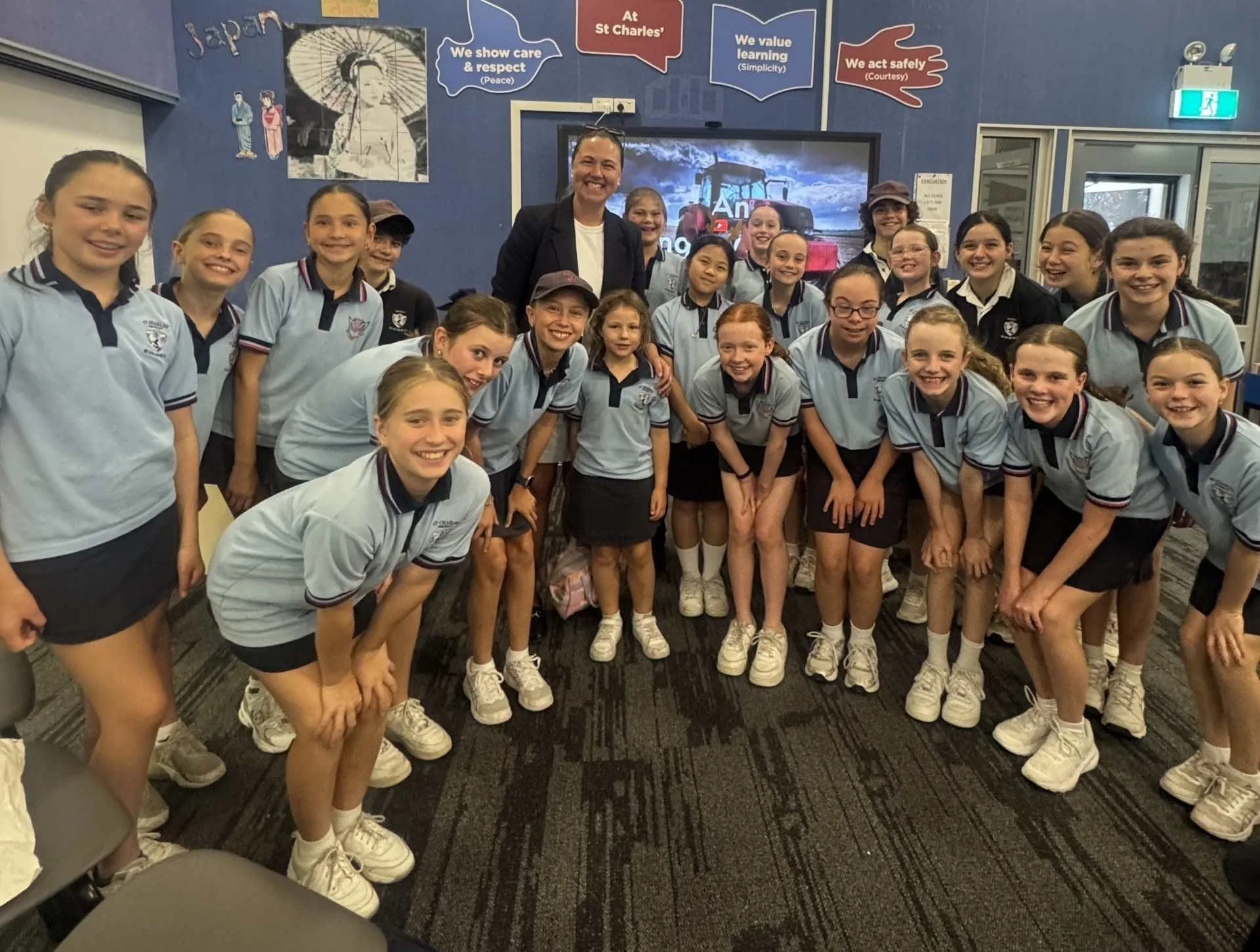
The bright young minds at a school in Sydney NSW open to considering a career in agriculture.
Last year, I had the privilege of speaking with students across Sydney who are just beginning to imagine what their future careers might look like. First, I visited the tiny explorers at Surry Hills Early Learning Centre, where the concept of “agriculture” mostly translated to “animals” and “tractors” and the excitement mostly centred around playing with grain and gluing it on images of paddocks and cows - but I could see the spark of curiosity.
Then came the energetic, thoughtful and truly inspiring primary students of St Charles Waverley Primary School, followed by the insightful young adults at Hurlstone Agricultural High School, who were already considering agriculture as a real pathway.
The groups were all of different ages, had different questions, and at different stages of life - yet one thing was exactly the same in every room: their openness and genuine interest in what I had to share about the diverse opportunities that comes with a career in Agriculture.
Their willingness to imagine themselves in roles they hadn’t heard of before. Their intrigue about the people who work in agriculture, and the different backgrounds that led them there. Their fascination with the idea that a sector as old as farming could be so innovative, diverse and exciting. This was all new (and fascinating) to them - proving to me that there is still work to be done in the space of reducing the country-city divide.
I’m passionate about creating opportunities for people from all backgrounds to connect with those who live and work in rural and regional communities. These connections open the door to genuine conversations that challenge assumptions and broaden understanding about how food is produced, how fibre is grown, and what life beyond the city really looks like.
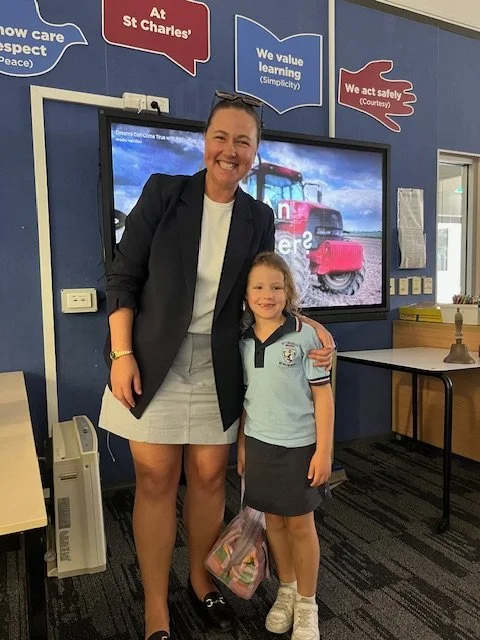
My daughter, Gigi was our special guest at the session!
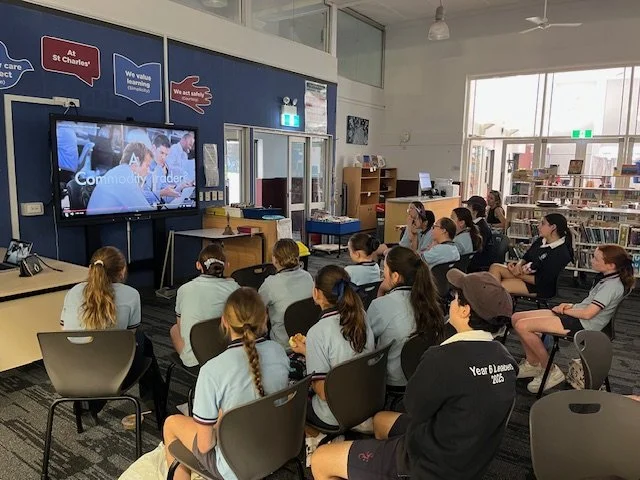
Year 5 & 6 students’ minds expanding watching the clip “Dreams can come true in Agriculture”
Why This Moment Matters
The timing of these school visits has aligned perfectly with a broader national energy around agricultural education.
This momentum was sparked, in part, by a powerful speech delivered by Australian Country Choice CEO Anthony Lee at the Rural Press Club at the Ekka. In that address, he raised a critical point: by the time most Australian students are introduced to agriculture, it’s too late. Their subject choices are locked in, their perceptions are well formed, and many have never had the chance to see what agriculture truly looks like beyond a farm fence.
He spoke about the disconnect between the enormous number of diverse career opportunities across our food and fibre system — from science, data and genetics to supply-chain logistics, finance, animal nutrition, engineering, global trade and marketing — and the tiny fraction of students who currently see agriculture as a pathway.
His call to action was clear: Australia needs a national, coordinated approach to food and fibre education that begins early, is consistent across schools, and connects students with real people and real careers in the sector.
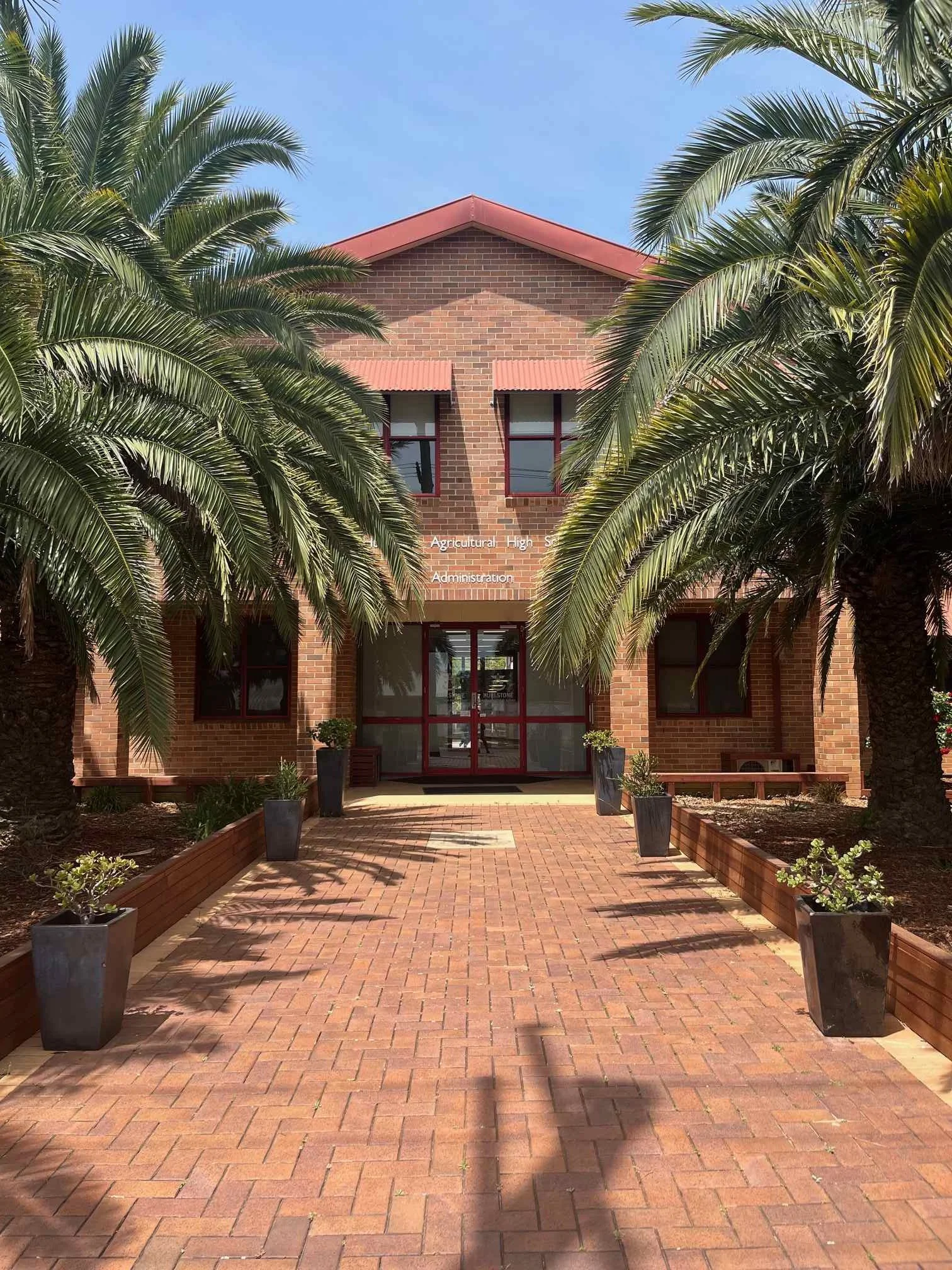
Hurlstone Agricultural High School ahead of the ‘Girls in STEM’ day.
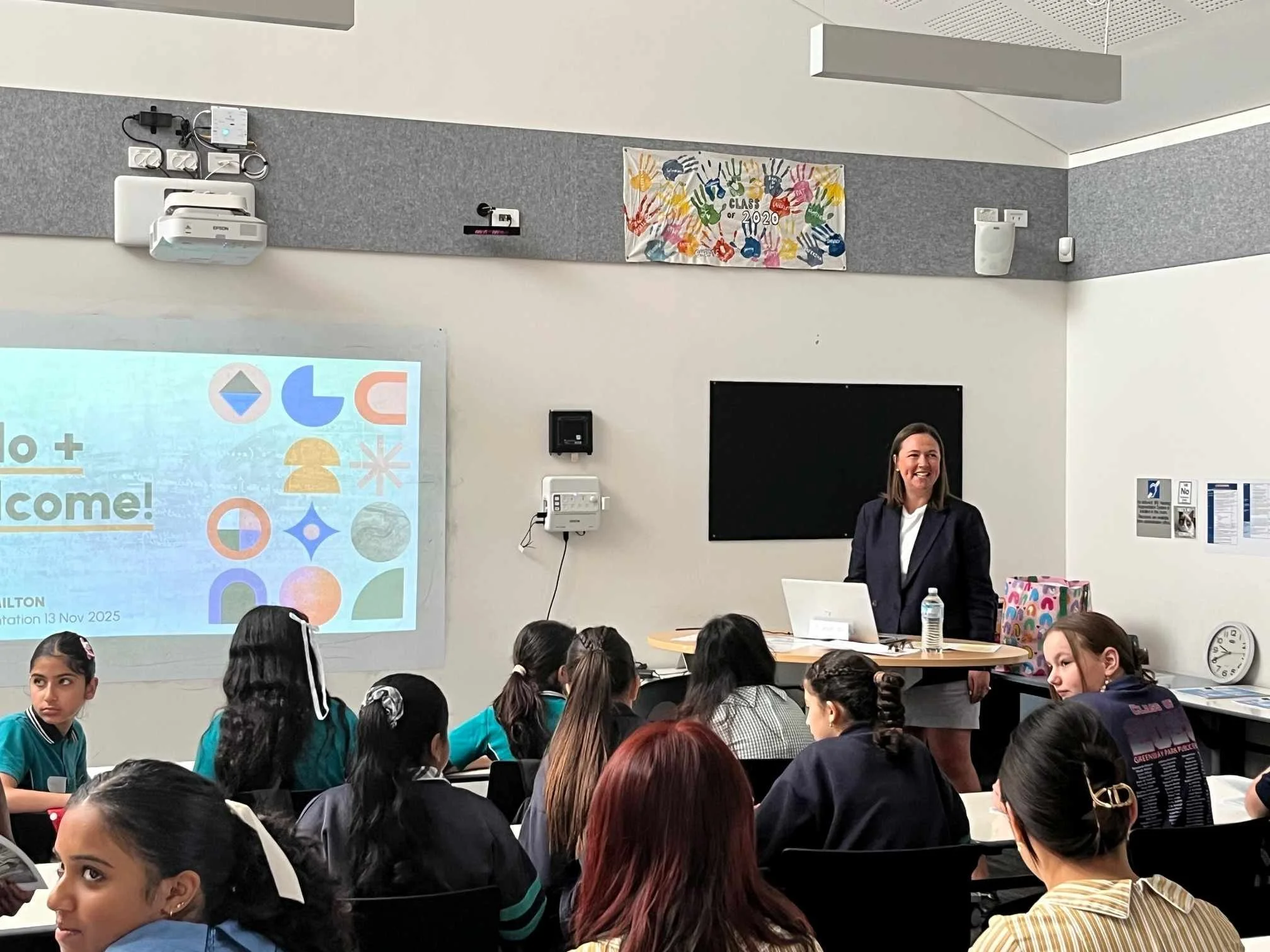
Presenting to the year 5 & 6 students considering studying at an Agricultural High School
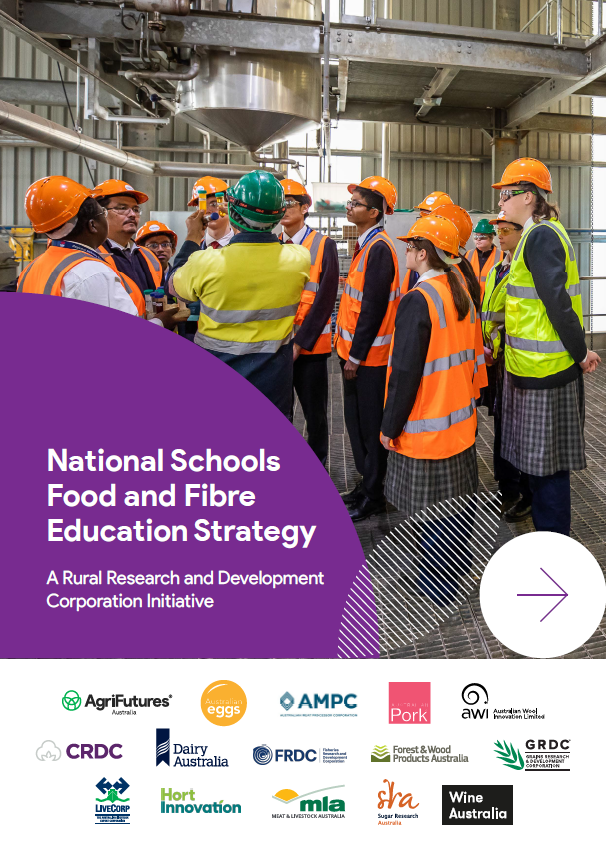
The speech didn’t just spark conversation — it sparked action. A working group was formed, and momentum has built towards a national strategy to better connect Australian students with food and fibre education. The recent release of the AgriFutures National Schools Food and Fibre Education Strategy is a significant step forward and a clear signal that the sector recognises the importance of early engagement.
Anthony elaborated on these themes again recently in his episode of the Humans of Agriculture podcast, where he described the sheer scale of the red-meat supply chain — the tens of thousands of jobs, the regional communities it supports, the innovation happening every day. What stood out was his emphasis on opening doors: making the industry more accessible, more understood, and more inviting to people from all backgrounds.
It’s a message that aligns so strongly with what I’ve been seeing firsthand in classrooms: young people are naturally curious, naturally inclusive, and naturally drawn to meaningful work. We simply need to give them the opportunity to see agriculture for what it really is.
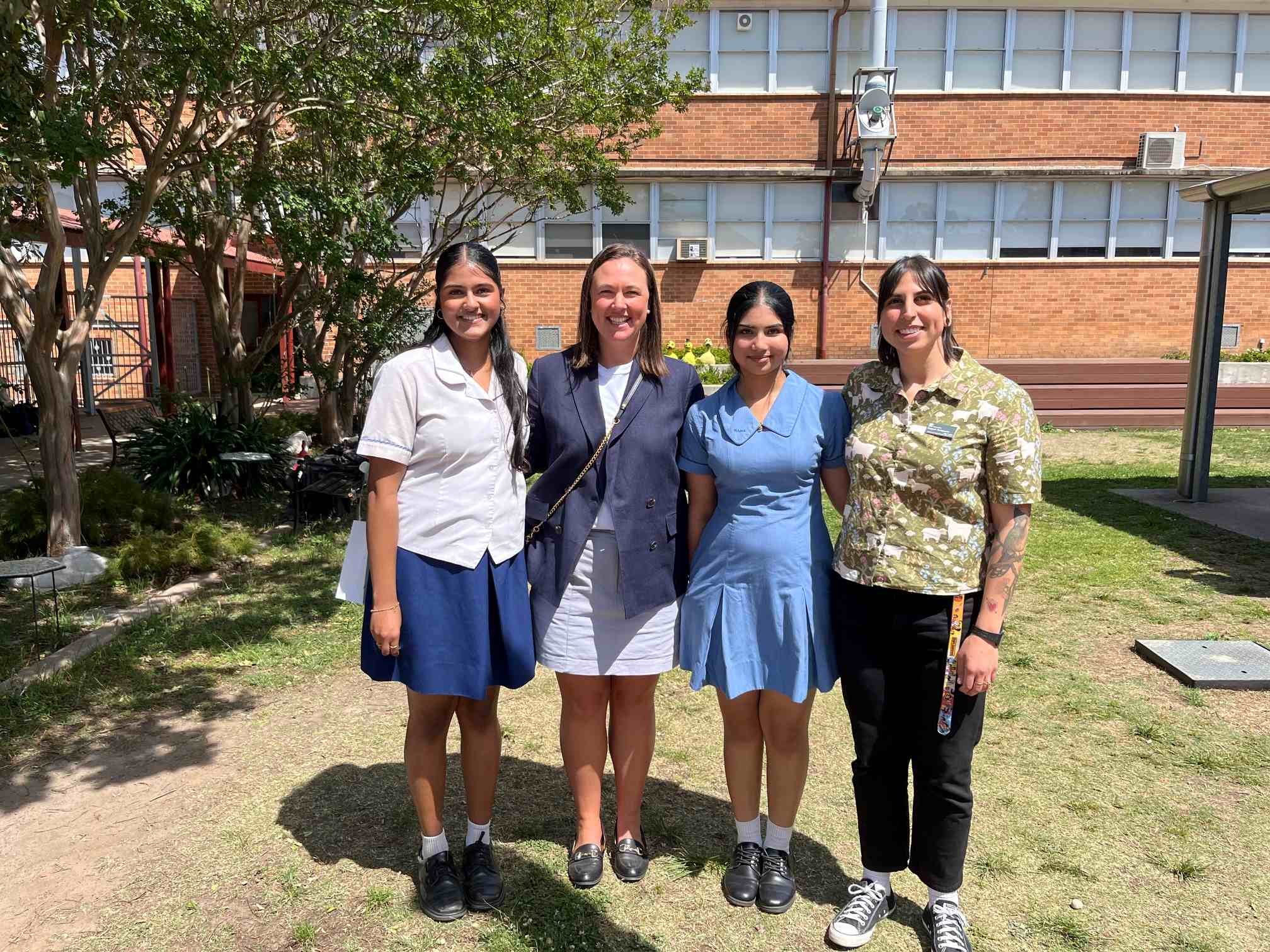
The chance to return to Hurlstone Agricultural High School, 20 years after graduating, to speak at their inaugural ‘Girls in STEM’ day - thanks to a savvy Careers Advisor.
The Power of Early Conversations
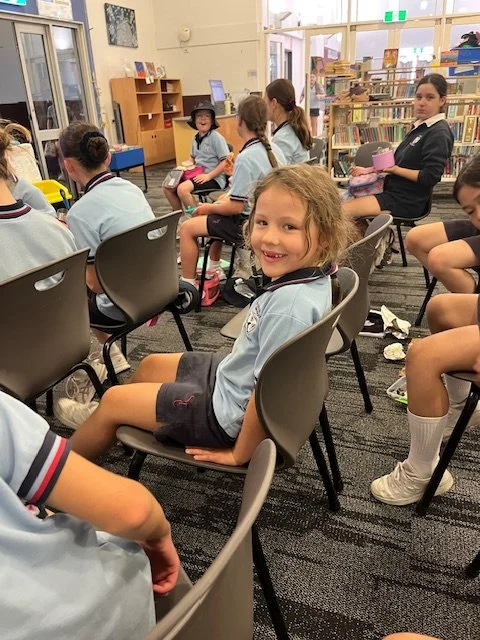
You can’t be what you can’t see.
Standing in those classrooms, what struck me most was how readily students lit up when I explained the scope of the sector. Not just farming — but animal science, technology, environment, food innovation, logistics, policy, sustainability, marketing, engineering, and every role in between.
Their questions were thoughtful. And for many, it was the first time they’d considered agriculture beyond the farm gate.
It reminded me that you can’t be what you can’t see.
At the start of my presentation, I always ask the students to write down what they love doing, their hobbies, their passions. So vast are the opportunities in Agriculture that by the end of the presentation they can see where their talents could be used in a purpose driven career in agriculture.
That they could be the scientist improving animal welfare outcomes.
The engineer designing smarter, more sustainable systems.
The marketer telling the story of Australian produce to the world.
Or the leader running a national organisation that keeps the food and fibre system moving.
These conversations matter.
Looking Ahead
These experiences have left me more energised than ever about the role we can all play in helping young people discover the world of opportunities that exist within agriculture.
I’d love to keep doing more of this work — visiting schools, speaking with students, sharing stories from across the supply chain, and helping the next generation see agriculture as a sector that is innovative, purposeful, and full of possibility.
If your school or organisation is looking for someone to speak about careers in agriculture, I’d be honoured to be involved.